
Fitness & Workout Plan for Indian Women with PCOS and Thyroid: The Complete Guide
By FitMarga | Last Updated: April 2026 | Reviewed for Indian Lifestyle

This PCOS workout plan for Indian women is your complete guide to managing hormonal imbalance, thyroid issues, and stubborn weight — using real Indian foods and home-friendly exercises.
You wake up tired even after 8 hours of sleep. Your weight refuses to budge no matter how hard you try. Your period is irregular, your hair is falling, and you feel like your body is working against you. If this sounds familiar, you may be one of the millions of Indian women living with PCOS, thyroid disorder, or both.
Here is the truth no one tells you: the generic fitness advice on the internet was not written for your body, your lifestyle, or your kitchen. Western diet plans full of kale and quinoa, workout apps designed for women without hormonal conditions — none of that addresses what you are actually going through.
This guide is written specifically for Indian women dealing with PCOS and thyroid issues. You will find a realistic workout plan, a practical Indian diet strategy using everyday desi foods, and lifestyle habits that actually move the needle. No supplements required. No gym membership needed.
PCOS Workout Plan for Indian Women: Achieving Your Fitness Goals
| Quick Summary — What You Will Learn in This Guide: Why exercise is one of the most powerful tools for managing PCOS and thyroid The exact types of workouts that help — and the ones that can make things worse A 7-day workout schedule you can follow at home An Indian food-based diet plan with breakfast, lunch, dinner ideas 5 lifestyle habits that supercharge your results A full FAQ section answering the most common questions |
Understanding PCOS and Thyroid — The Indian Reality
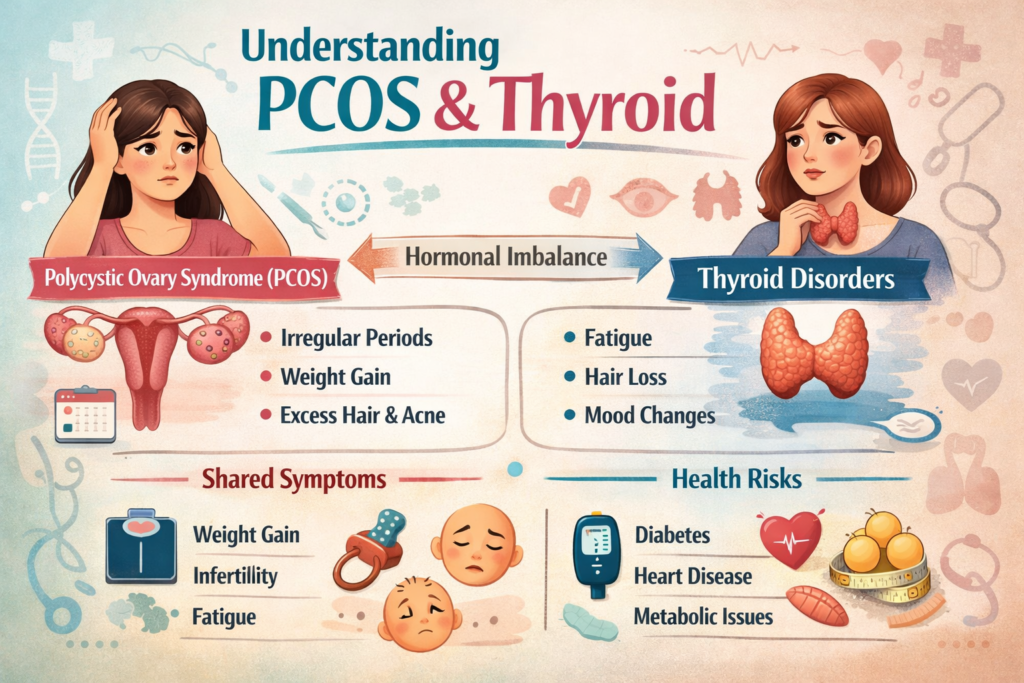
PCOS (Polycystic Ovary Syndrome) affects approximately 1 in 5 Indian women in their reproductive years, making India one of the highest-burden countries globally. Despite this, it remains underdiagnosed and undertreated, often dismissed as just irregular periods.
Thyroid disorders — particularly hypothyroidism — are also extremely common among Indian women, often occurring alongside PCOS. Research shows that nearly 22–23% of women with PCOS also have thyroid dysfunction, creating a double hormonal challenge.
What Happens Inside Your Body
PCOS is driven by insulin resistance, elevated androgens (male hormones), and inflammation. This is why you gain weight easily (especially around the belly), struggle to lose it, and feel constant fatigue and cravings.
Hypothyroidism slows down your metabolism, making weight loss feel impossible, causing brain fog, hair fall, and exhaustion. When both conditions are present, the effects multiply.
The encouraging news? Exercise and diet are considered first-line strategies for managing both conditions. You do not need to just wait for medication to do all the work. Your lifestyle choices have a direct, measurable impact on your hormone levels.
Why This PCOS Workout Plan for Indian Women Actually Works — The Science
Exercise is not just about burning calories. For women with PCOS and thyroid disorders, the hormonal effects of the right kind of exercise are far more powerful than any number on the scale.
- Reduces insulin resistance — the root cause of most PCOS symptoms
- Lowers elevated androgen (testosterone) levels
- Boosts thyroid function by improving metabolism and increasing T3 sensitivity
- Reduces cortisol (stress hormone), which worsens both PCOS and thyroid
- Improves sleep quality, which is critical for hormone regulation
- Lifts mood, reduces anxiety and depression — conditions very common in PCOS
Research backs this up clearly. Studies show that women with PCOS who engage in vigorous exercise for just 120 minutes per week see significant improvements in metabolic and hormonal health. That is just two 60-minute sessions, or four 30-minute sessions, per week.
The 3 Best Exercises in This PCOS Workout Plan for Indian Women
Not all exercises are equal when it comes to hormonal conditions. Here are the three types that deliver the best results, along with how much to do each week.
1. Strength Training (Most Important)
Strength training — also called resistance training — is the single most effective exercise for women with PCOS. Building lean muscle mass creates more insulin-sensitive tissue in your body, which directly reduces insulin resistance. More muscle also means a faster metabolism, which helps with thyroid-related slow metabolism.
- Do: Squats, lunges, glute bridges, deadlifts (you can use your own body weight at home)
- Frequency: 2–3 times per week on non-consecutive days
- Duration: 30–45 minutes per session
- No gym needed: A yoga mat and water bottles as weights are enough to start
2. Low-to-Moderate Cardio
Brisk walking, cycling, swimming, and dancing are excellent for women with PCOS and thyroid disorders. These activities improve cardiovascular health, burn calories, and reduce cortisol (unlike intense daily cardio which can spike cortisol and worsen symptoms).
- Do: Brisk walk, cycling, Zumba, stairs
- Frequency: 3–5 times per week
- Duration: 30–45 minutes per session
- India tip: A 40-minute morning walk in your colony or park is perfect — free and effective
3. Yoga and Mind-Body Exercise
Yoga is India’s biggest advantage in this space. It is not just stretching — for women with hormonal conditions, yoga directly reduces cortisol, lowers inflammation, improves sleep, and certain poses are known to stimulate the thyroid gland and support reproductive health.
- Best poses for PCOS: Bridge pose (Setu Bandhasana), Cobra (Bhujangasana), Child’s pose, Butterfly pose
- Best for thyroid: Shoulder stand (Sarvangasana), Fish pose (Matsyasana), Cat-Cow stretch
- Frequency: 1–2 times per week, or on rest days
- Duration: 20–40 minutes
Following a dedicated PCOS workout plan for Indian women is scientifically proven to reduce insulin resistance, lower androgens, and regulate your menstrual cycle within 8–12 weeks.
| What to AVOID if You Have PCOS and Thyroid: Daily intense HIIT or heavy cardio every day — this spikes cortisol and worsens symptoms. Overtraining — more exercise is NOT always better with hormonal conditions Long periods of sitting — take movement breaks every hour. Skipping rest days — recovery is when hormones rebalance. Exercising on an empty stomach early morning (can trigger cortisol spike) |
Your 7-Day Workout Plan (Home-Friendly, No Gym Needed)
This weekly plan is designed specifically for Indian women with PCOS and/or thyroid disorders. It balances strength, cardio, and recovery in a way that supports hormonal health — not just fitness.
| Day | Workout Type | Duration & Focus |
| Monday | Strength Training | 40 min — Squats, glute bridges, deadlifts (lower body focus) |
| Tuesday | Brisk Walk / Light Yoga | 30–40 min — Stress reduction, cortisol management |
| Wednesday | HIIT (Low-impact) | 20–25 min — Jumping jacks, mountain climbers, step-ups |
| Thursday | Strength Training | 40 min — Push-ups, rows, shoulder press (upper body) |
| Friday | Yoga / Pilates | 30 min — Hormone-balancing poses, breathwork |
| Saturday | Outdoor Walk / Cycling | 45 min — Light cardio, fresh air, mood boost |
| Sunday | Rest / Gentle Stretching | 15–20 min — Recovery, mobility, sleep focus |
Sample Strength Training Routine (Monday / Thursday)
Do 3 sets of 12–15 repetitions of each exercise. Rest 45–60 seconds between sets.
- Bodyweight squats — build leg muscle, improve insulin sensitivity
- Glute bridges — strengthen the glutes and lower back, support hormonal balance
- Push-ups (modified on knees if needed) — upper body strength
- Standing dumbbell rows (use water bottles) — back and posture
- Plank hold — 20 to 45 seconds — core stability
- Side leg raises — hip strength, reduces PCOS belly
Total time: 35–45 minutes. You can do this in your bedroom with just a yoga mat.
Sample HIIT Routine (Wednesday — Low-Impact Version)
Do each exercise for 30 seconds, rest for 30 seconds. Complete 3–4 rounds.
- March in place — warm-up
- Step-ups on a chair or low step
- Standing bicycle crunches
- Squat pulses (hold the squat and pulse up and down slightly)
- Modified mountain climbers (slow pace)
- Jumping jacks — or low-impact version: step side to side
Total time: 20–25 minutes. Perfect for days when you have limited time.
Along with this PCOS workout plan for Indian women, your diet plays an equally powerful role in balancing hormones naturally.
The Indian Diet Plan for PCOS and Thyroid — What to Eat, What to Avoid
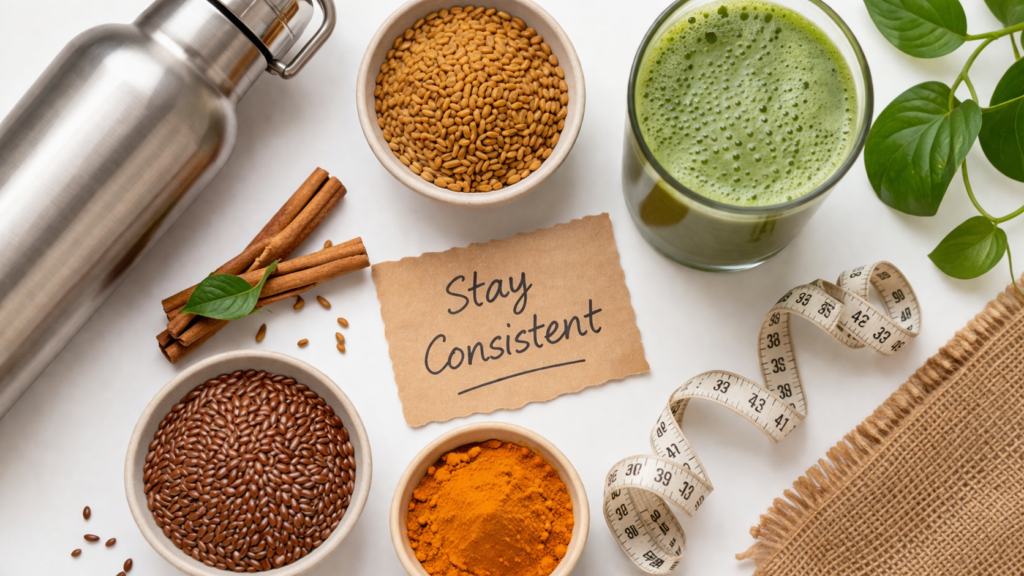
Your kitchen already has most of what you need to heal your hormones. Traditional Indian foods like dal, curd, millets, methi, turmeric, and flaxseeds are scientifically shown to improve insulin sensitivity, reduce inflammation, and support thyroid function. The key is choosing the right form of these foods.
The Golden Rules of Eating for PCOS and Thyroid
- Low GI first: Choose foods that release sugar slowly — millets over white rice, roti over maida, curd over sweetened lassi
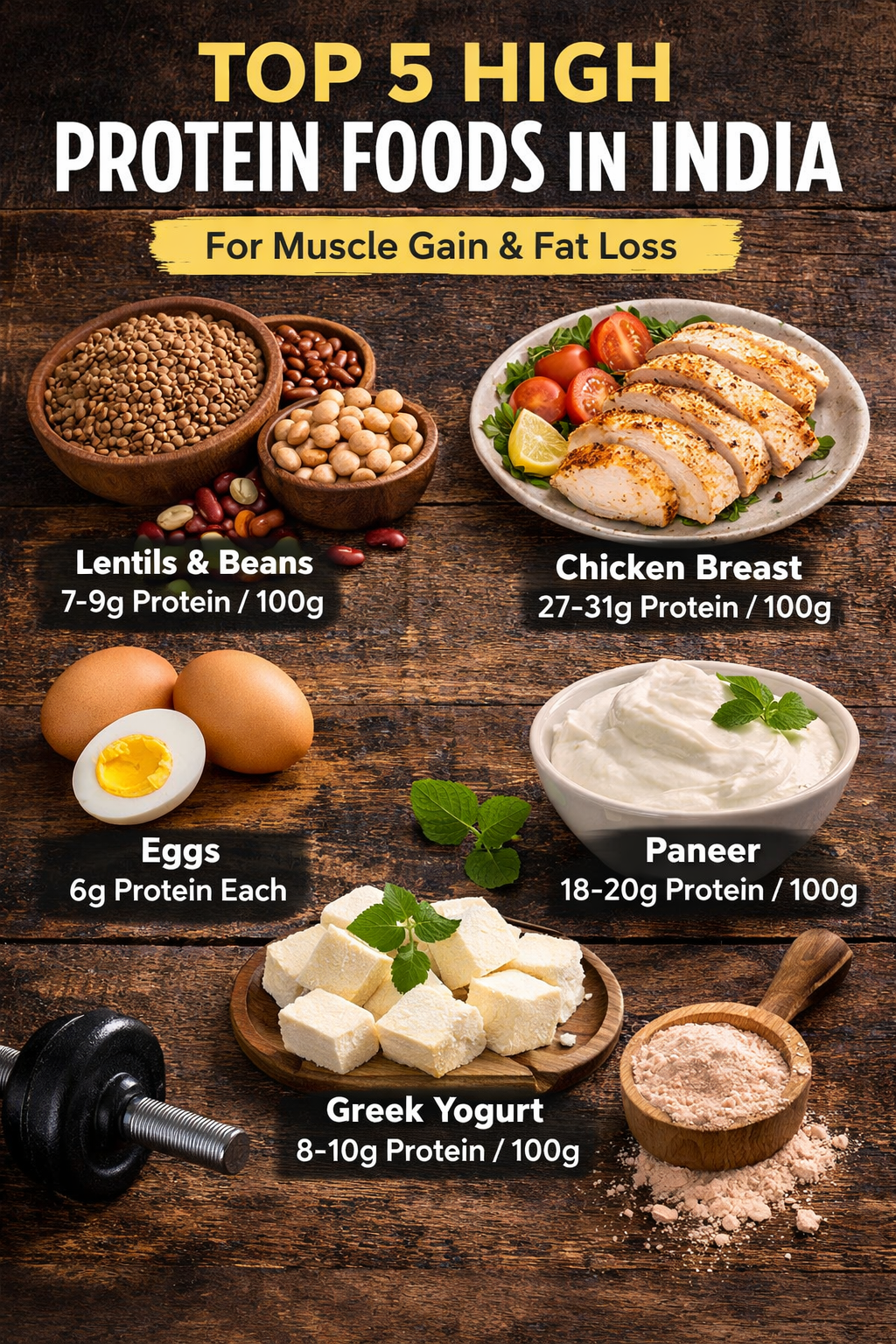
- Protein at every meal: Protein stabilizes blood sugar and reduces cravings — include dal, paneer, curd, eggs, or legumes in every meal
- Never skip breakfast: Skipping breakfast spikes cortisol and insulin — both damaging for PCOS and thyroid
- Eat every 3–4 hours: Long gaps between meals worsen insulin resistance
- Desi fats are good: Ghee (in moderation), coconut oil, and mustard oil support thyroid function and reduce inflammation
Your Daily Indian Meal Plan
| Meal | PCOS-Friendly Option | Thyroid Bonus | What to Avoid |
| Early Morning | Soaked methi seeds + warm water, or jeera water | Selenium-rich Brazil nut (1–2) | Heavy curries, fried items, and desserts |
| Breakfast | Add flaxseed powder to upma | Tea/coffee on an empty stomach | White bread poha, maida paratha |
| Mid-Morning | Handful of roasted chana + 1 guava or apple | Walnuts (omega-3 for thyroid) | Biscuits, namkeen, juice |
| Lunch | Brown rice / millet + dal + sabzi + curd + salad | Palak or methi sabzi (iron) | White rice with only dal, no veggies |
| Evening Snack | Makhana roasted in ghee + green tea | Pumpkin seeds (zinc) | Samosa, chips, fried snacks |
| Dinner | Khichdi (moong dal + bajra) + light sabzi + salad | Light, early dinner by 7:30 PM | Heavy curries, fried items, desserts |
Indian Superfoods That Heal PCOS and Thyroid
- Methi (Fenugreek): Soaking methi seeds overnight and drinking the water improves menstrual regularity and lowers blood sugar. Add methi leaves to paratha, dal, or sabzi.
- Flaxseeds (Alsi): Rich in lignans and omega-3, flaxseeds lower androgens in PCOS and reduce inflammation. Add 1 tablespoon ground flaxseed to your roti dough or sprinkle on curd.
- Turmeric (Haldi): One of the most powerful anti-inflammatory spices. A glass of warm turmeric milk at night supports ovulation and reduces cyst-related inflammation.
- Cinnamon (Dalchini): Sprinkle a pinch in your morning tea or on oatmeal. Cinnamon has insulin-like activity and helps stabilize blood sugar — critical for both PCOS and thyroid.
- Millets (Ragi, Bajra, Jowar): Replace white rice with millets as often as possible. They are high in fibre, low GI, and rich in minerals that support thyroid function.
- Amla (Indian Gooseberry): Detoxifies the liver (which processes hormones) and is rich in Vitamin C. Eat one fresh amla daily or drink amla juice.
- Curd (Dahi): Probiotic-rich curd supports gut health, which is directly linked to hormone balance. Have 1 small bowl at lunch daily.
Foods to Strictly Avoid
- Maida (refined flour) — white bread, naan, biscuits, instant noodles
- White sugar and sugary drinks — chaas with sugar, packaged juices, cola
- Deep-fried snacks — samosa, pakora, chips every day
- Processed and packaged foods — instant soups, ready-to-eat meals
- Raw cruciferous vegetables in large amounts — broccoli, cauliflower (they can interfere with thyroid; cook them)
- Soy products in excess can disrupt thyroid hormone absorption
- Very sweet fruits in large portions — banana, mango (eat in moderation, not daily)
5 Lifestyle Habits That Multiply Your Results
Exercise and diet do the heavy lifting, but these five habits make everything work faster. Think of them as the hidden multipliers for hormonal health.
1. Prioritise Sleep (7–8 Hours, Same Time Every Night)
Poor sleep is one of the most underrated drivers of PCOS and thyroid dysfunction. During deep sleep, your body produces growth hormone, resets cortisol, and balances insulin. Aim to sleep before 10:30 PM and wake at the same time daily. Turn off screens 30 minutes before bed.
2. Manage Stress Actively
Chronic stress keeps cortisol elevated, which worsens insulin resistance and suppresses thyroid function. Simple practices that work: 10 minutes of pranayama (Anulom Vilom or Bhramari) daily, journaling, or even a 20-minute walk without your phone. PCOS is particularly sensitive to stress — treat stress management as a non-negotiable part of your health plan.
3. Get Morning Sunlight (10–20 Minutes)
Morning sunlight is free, powerful medicine. It resets your circadian rhythm, boosts Vitamin D (deficient in most Indian women with PCOS and thyroid), and reduces cortisol. Step outside for your morning walk or simply sit in a sunny spot for 15 minutes every morning.
4. Reduce Plastics in Your Kitchen
Chemicals in plastic containers (BPA and phthalates) are hormone disruptors that directly worsen PCOS. Switch to steel, glass, or clay utensils for storing and heating food. Do not heat food in plastic containers.
5. Track Your Cycle, Not Just Your Weight
Instead of obsessing over the scale, track your menstrual cycle, energy levels, and sleep quality. These are far better indicators of hormonal progress. Apps like Flo or a simple diary work well. Most women with PCOS start seeing cycle improvements within 6–12 weeks of consistent lifestyle changes.
Realistic Timeline: What to Expect and When
Managing PCOS and thyroid is a marathon, not a sprint. Here is what most women experience with consistent effort:
- Weeks 1–2: Better energy, improved sleep, reduced bloating
- Weeks 3–6: Fewer sugar cravings, more consistent mood, slight weight movement
- Weeks 6–12: Noticeable changes in cycle regularity, reduced acne, measurable improvement in insulin sensitivity
- Months 3–6: Significant hormonal rebalancing, weight loss becoming more consistent, improved thyroid markers on blood tests
The key is consistency, not perfection. Missing one workout or eating a samosa does not set you back. What matters is showing up most days, week after week.
Frequently Asked Questions (FAQ)
Q: How long should I follow a PCOS workout plan for Indian women?
A: Follow this PCOS workout plan for Indian women consistently for at least 8–12 weeks. Most women report improved cycle regularity, better energy, and reduced belly fat within this period.
Can I do HIIT if I have PCOS?
Yes, but with caution. Low-impact HIIT (as described in this guide) 1–2 times per week is beneficial for insulin resistance. However, daily intense HIIT can spike cortisol and worsen PCOS symptoms. Balance it with strength training and low-intensity cardio.
Is walking enough for PCOS?
Walking is a great starting point and is significantly better than being sedentary. However, for best hormonal results, combine walking with strength training at least twice a week. A 40-minute brisk walk daily plus two strength sessions per week is a very effective combination.
I have hypothyroidism. Are there exercises I should avoid?
Avoid overexertion and very long exercise sessions (over 60–70 minutes), which can stress an already struggling thyroid. Stick to moderate-intensity workouts and never exercise on an empty stomach. Yoga, especially shoulder stands and fish pose, is very supportive for thyroid health.
Can I eat rice if I have PCOS?
Yes — but choose brown rice, red rice, or millet-based khichdi instead of white rice. If you do eat white rice, combine it with a lot of vegetables, dal, and curd to lower its glycemic impact. Never eat plain white rice alone.
How soon will my periods become regular?
Most women see improvement in cycle regularity within 6–12 weeks of regular exercise, diet changes, and stress management. Results vary based on the severity of PCOS, thyroid levels, and individual factors. Always work alongside your gynaecologist and endocrinologist.
Do I need supplements?
Focus on food first. However, many Indian women with PCOS and thyroid are deficient in Vitamin D, B12, and Iron. Get a blood test done and supplement only based on your actual deficiency levels, as advised by your doctor. Myo-inositol is also commonly recommended for PCOS by endocrinologists.
What is the best time to exercise with PCOS?
Morning workouts are often recommended for PCOS as they are done before cortisol peaks during the day. However, the best time is whichever time you will consistently show up. Consistency beats timing every time.
Final Words: Your Body Is Not Broken
PCOS and thyroid disorders can feel overwhelming, especially when the internet is full of conflicting advice that does not speak to your culture, your food, or your life. But here is what the science and thousands of Indian women’s journeys confirm: your body is incredibly responsive to the right kind of care.
You do not need a gym, expensive supplements, or a complete diet overhaul overnight. Start with a 30-minute walk today. Add a bowl of dal, curd, and sabzi at lunch. Sleep 30 minutes earlier tonight. These small, consistent steps compound into profound hormonal change over weeks and months.
This PCOS workout plan for Indian women is not a quick fix — it is a long-term lifestyle shift that gives your body what it needs to heal naturally. Stay consistent, eat right, and trust the process.
Fitmarga is here to guide you every step of the way — with content that is made for Indian bodies, Indian kitchens, and Indian lives.
| Share This Guide With Someone Who Needs It. If this article helped you, share it with a friend, sister, or colleague who is struggling with PCOS or thyroid issues. Bookmark this page and revisit the workout plan and meal table every week. Have questions? Drop them in the comments, and our team will answer personally. |
fitmarga.com | Fitness Made for Indian Bodies
Leave a Reply